The backlash grows: African governments demand Moscow halt controversial war recruitment
The recent pledge by Accra to extract a formal commitment from Moscow to stop recruiting Ghanaian fighters for Ukraine reads less like a diplomatic victory and more like a damning admission of a transnational human trafficking ring operating with impunity. Behind closed doors and empty diplomatic platitudes, evidence now confirms that hundreds of young Africans—lured by hollow promises of wealth and European passports—have been sent into the Ukrainian frontlines as expendable cannon fodder. For Ghana alone, the human cost has already been devastating: at least 62 citizens killed in action and a dozen more still missing, their families left to grapple with grief and unanswered questions. What began as whispers of mercenary deployments has exploded into a geopolitical firestorm, forcing African capitals to confront a disturbing truth: their most vulnerable citizens are being systematically exploited as disposable soldiers in a war that is not theirs to fight.
From false job offers to frontline fatalities: the cynical recruitment machine
Moscow’s recruitment network, far from being a spontaneous initiative, functions as a meticulously organized system designed to capitalize on human desperation. Unlike the brutal conscription methods of colonial eras, today’s approach is cloaked in the language of opportunity—“high-paying defense contracts,” “fast-track citizenship,” and “secure relocation” for families. Behind these enticing offers stand recruiters—often operating under the shadow of Russian state agencies—who target unemployed graduates and breadwinners struggling under collapsing local economies. Once signed, these individuals are dispatched to the most dangerous sectors of eastern Ukraine, where they serve as shock absorbers in a war of attrition. Their real function? To preserve the lives of regular Russian soldiers by sacrificing those who have no political stake in the conflict. This is not recruitment. It is predation disguised as employment.
The scale is staggering. While Ghana bears the brunt of visible losses, intelligence reports indicate similar patterns across Senegal, Côte d’Ivoire, and Burkina Faso, where young men are disappearing into what are effectively state-sponsored human trafficking pipelines. The death toll rises daily, yet Moscow continues to treat these recruits as expendable assets rather than human beings.
Kremlin’s shifting narrative: denial, delay, then reluctant concession
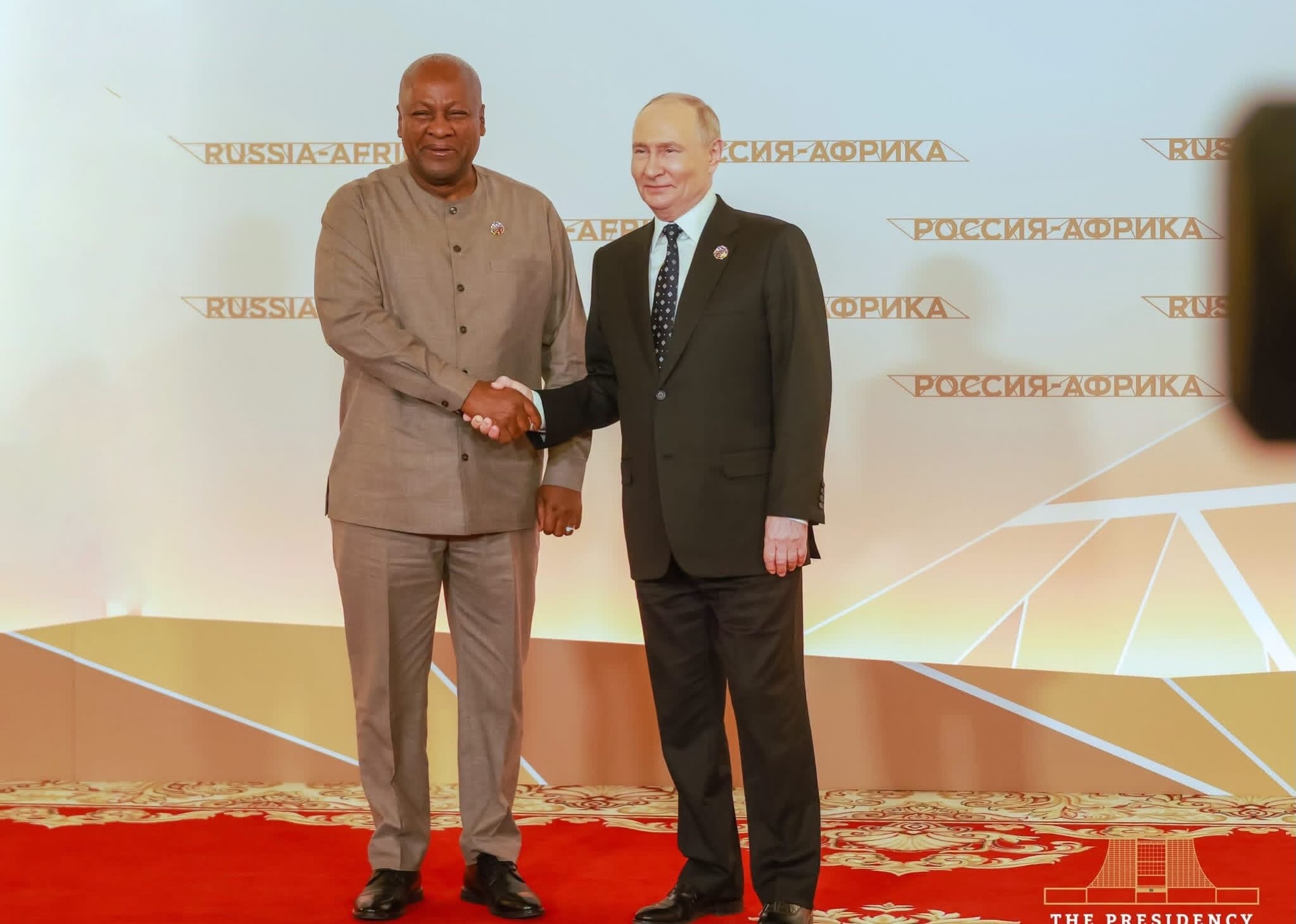
The stark reality hit home when Ghana’s leadership publicly pressed Vladimir Putin to halt the recruitment of its citizens. That such a high-level diplomatic intervention was even necessary exposes the grotesque power imbalance left over from colonial legacies. For months, the Kremlin remained silent—or worse, complicit—allowing this hemorrhage of African lives to feed its war machine. Only under mounting international pressure did Moscow finally admit the practice, though framing it as a “voluntary labor movement” rather than a state-sponsored enlistment program. This semantic sleight of hand does little to mask the truth: Russia has knowingly funneled thousands of African men into a war zone under false pretenses, and the global outrage is only growing louder.
No exit strategy for the fallen: families left in limbo
For the families of those killed or missing, the suffering does not end with notification. Many have received no official confirmation of their loved ones’ fates, only fragmented rumors via social media or third-party sources. Repatriation efforts are haphazard at best, and compensation—when offered—is grossly inadequate. In one case, a mother in Accra received a single payment equivalent to a few months’ local minimum wage after losing her son, a figure that barely covers funeral costs. These families are not just grieving; they are being abandoned by both their home governments and the very state that recruited their children.
Beyond the battlefield: the silent crisis reshaping African youth
This crisis exposes a deeper dysfunction within Africa itself. A generation already abandoned by broken governance, chronic unemployment, and failed development promises now faces a new threat: foreign powers that see their desperation not as tragedy, but as opportunity. Whether through false contracts or outright coercion, these young people are being traded like commodities in a proxy war they did not choose. Until African nations address the root causes of youth despair—through education, economic opportunity, and genuine sovereignty—external actors will continue to exploit the vacuum, turning suffering into strategic leverage. The current mercenary pipeline is not just a footnote to the Ukraine war; it is a symptom of a continent still being treated as a reservoir of expendable human capital.
What comes next? The path forward after exposure
With the scope of the scandal now undeniable, African governments face a choice: confront the reality of state-sponsored human trafficking on their soil, or continue to negotiate in the shadows while their citizens pay the ultimate price. Early steps—including stricter visa controls, public awareness campaigns, and bilateral agreements with Moscow—are already being discussed behind closed doors. But real change will require more than rhetoric. It demands accountability, transparency, and a refusal to allow African lives to be bartered in geopolitical gambits. The war in Ukraine may be fought on Eastern European soil, but its moral consequences are reverberating across the African continent—and the reckoning has only just begun.